epoxy flooring cost per square foot · 14 min read ·
Epoxy Flooring Cost per Square Foot: The 2026 Fraser Valley Pricing Guide
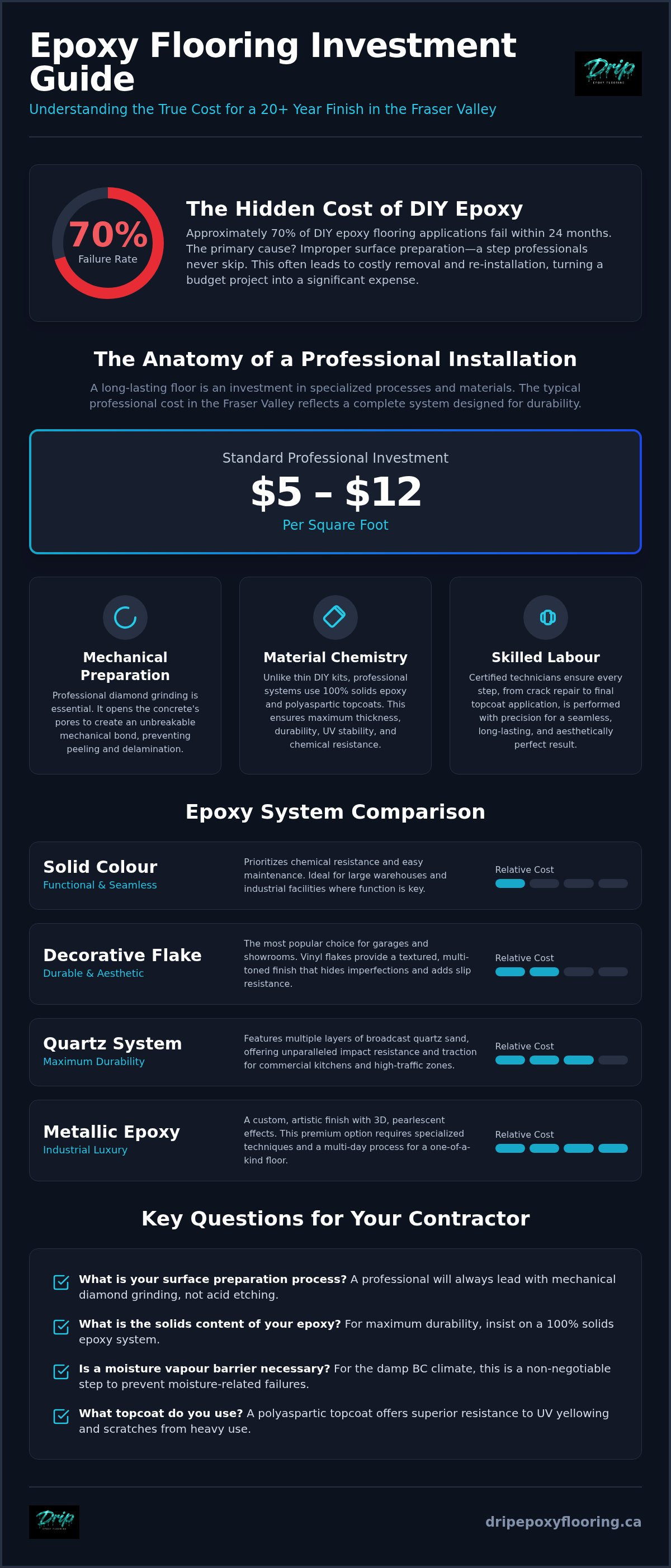
Did you know that approximately 70% of DIY epoxy flooring applications fail within the first twenty-four months because of improper surface preparation? It's a frustrating reality for many property owners in the Fraser V
By Drip Epoxy Flooring · Chilliwack, BC
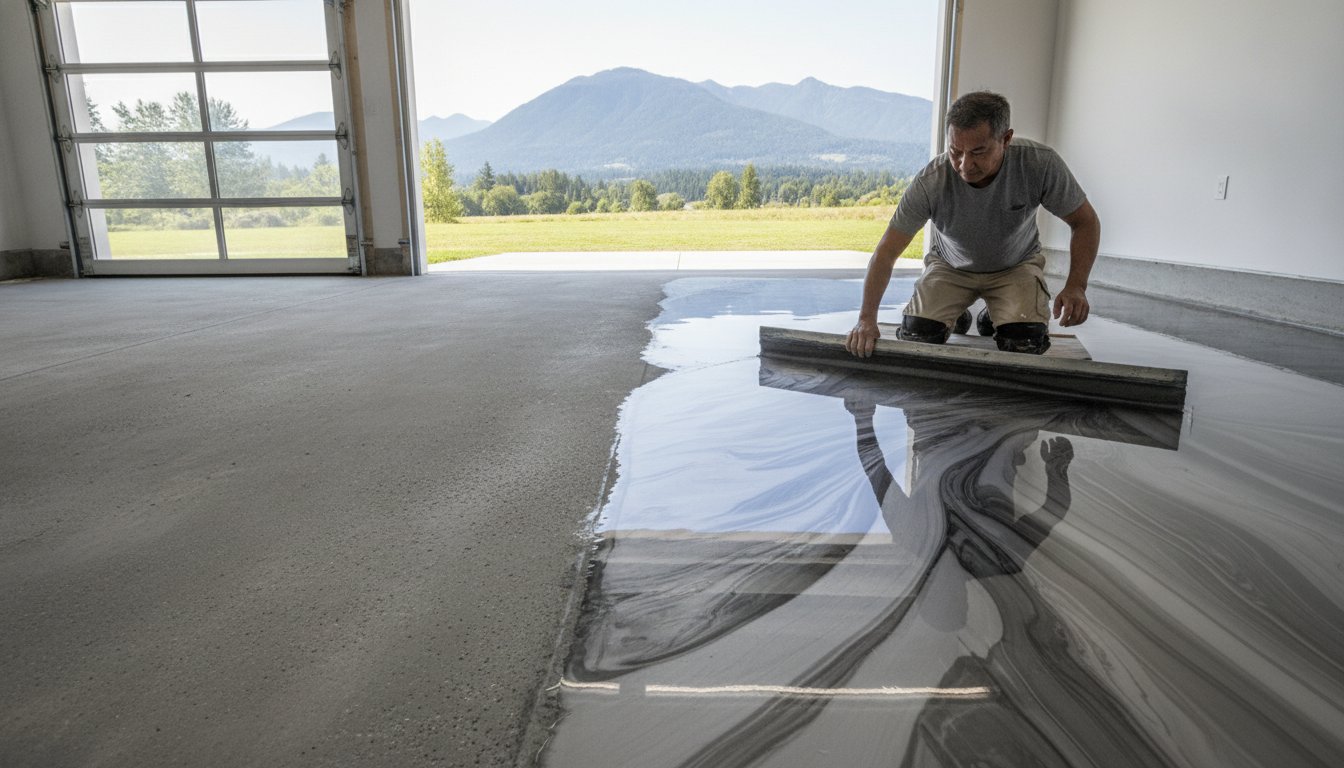
Did you know that approximately 70% of DIY epoxy flooring applications fail within the first twenty-four months because of improper surface preparation? It's a frustrating reality for many property owners in the Fraser Valley who realize too late that a budget-friendly kit can't compete with industrial-grade chemistry. You likely understand that a floor should be a one-time investment rather than a recurring headache, yet determining the actual epoxy flooring cost per square foot often feels like decoding a foreign language when comparing different contractor quotes.
This guide provides a comprehensive breakdown of the professional investment required to achieve a resilient, 20-year finish that withstands BC’s unique environmental dampness. We'll examine how material grades, specialized diamond grinding, and moisture vapour barriers impact the final value of your installation. By the end of this article, you'll know exactly which questions to ask a specialist to ensure your space receives the industrial luxury and technical precision it deserves.
Key Takeaways
- Understand the standard epoxy flooring cost per square foot in the Fraser Valley, which typically ranges from $5 to $12 depending on the system's complexity and preparation requirements.
- Compare the functional durability of decorative flake systems against the premium "industrial luxury" aesthetic of metallic epoxy flooring to find the right balance for your project.
- Learn why professional diamond grinding and moisture vapour barriers are non-negotiable steps for preventing floor failure in the damp climate of the Lower Mainland.
- Identify the hidden long-term costs of DIY kits, including the significant expense of removing failed coatings before a professional system can be properly installed.
- Discover the specific technical questions to ask contractors to ensure you're receiving a high-performance, full-build system designed for twenty-plus years of service.
Table of Contents
- Epoxy Flooring Cost per Square Foot: Breaking Down the Components
- Pricing by System Type: Comparing Flake, Metallic, and Quartz
- The Hidden Costs of DIY vs. Professional Installation
- BC Local Variables: How the Fraser Valley Environment Affects Your Quote
- Maximizing ROI: Getting an Accurate Epoxy Flooring Estimate
Epoxy Flooring Cost per Square Foot: Breaking Down the Components
When calculating the investment for a high-performance surface, the industry standard for a professional epoxy flooring cost per square foot generally falls between $5 and $12. This range represents a full-build system rather than a simple coat of paint. Several variables influence where a specific project lands within this bracket, including the existing state of the concrete and the complexity of the chosen finish. It's helpful to view this cost as a three-pillar structure: mechanical preparation, material chemistry, and skilled labour. Each component is vital for a result that lasts decades rather than months.
The size of the project also dictates the final rate. Larger commercial spaces often benefit from economies of scale, as the fixed costs of mobilizing heavy machinery and specialized crews are spread across more area. Conversely, smaller residential garages may sit at the higher end of the per-foot scale due to the same logistical requirements. Understanding the technical properties of the resin is also essential. To learn more about the chemical foundations, you can research What is Epoxy? to see how these polymers create such resilient bonds.
The Price of Professional Surface Preparation
Mechanical preparation is the most labour-intensive phase of any installation. We include professional diamond grinding in every quote because it's the only way to open the concrete's pores for a permanent bond. If a floor has existing cracks, spalling, or a failing previous coating, the labour hours required for remediation will increase. Investing in professional concrete floor preparation services ensures the system won't peel or bubble when the Fraser Valley's seasonal dampness sets in.
Material Grades: Solids Content and Resin Chemistry
Not all resins are created equal. Budget-friendly options are often water-based or solvent-based, meaning a large portion of the liquid evaporates during curing, leaving a thin, vulnerable film. High-build industrial systems utilize 100% solids epoxy, which maintains its thickness and structural integrity. For those seeking the highest level of protection, polyaspartic topcoats are often recommended. These premium materials offer superior UV resistance to prevent yellowing and provide a hard-wearing surface that resists scratches from heavy equipment, maintaining that industrial luxury aesthetic for years.
Pricing by System Type: Comparing Flake, Metallic, and Quartz
While the foundational preparation of the concrete remains consistent, the specific system you select is the primary driver of the final epoxy flooring cost per square foot. Each coating system serves a distinct functional purpose, ranging from high-traction industrial surfaces to high-end decorative finishes. In the Fraser Valley, property owners must choose a system that not only fits their budget but also addresses environmental factors like humidity and concrete porosity.
- Decorative Flake Systems: This is the most frequent choice for residential garages and commercial showrooms. It involves broadcasting vinyl flakes into a coloured base coat, providing excellent slip resistance and a durable, multi-toned finish that effectively hides concrete imperfections.
- Quartz Flooring Systems: These systems utilize a double-broadcast of coloured quartz sand. Because of the sheer volume of material and the labour required for multiple layers, the investment is higher, but it offers unparalleled impact resistance and traction for commercial kitchens and heavy-traffic zones.
- Solid Colour Epoxy Coatings: Often used as the baseline for large-scale warehouses or industrial facilities, these coatings provide a seamless, high-gloss finish that prioritizes chemical resistance and ease of maintenance over decorative complexity.
The Art and Labour of Metallic Finishes
Metallic Epoxy Flooring represents the pinnacle of "industrial luxury." Unlike standard coatings, metallic systems involve a multi-day application process where specialized pigments are manipulated using solvents or air flow to create a three-dimensional, pearlescent effect. Because no two floors are identical, the epoxy flooring cost per square foot for these custom designs reflects the artistic expertise and extended timeline required. Homeowners seeking a unique aesthetic can find inspiration through our resource on metallic epoxy floor installers in BC.
Industrial vs Residential System Costs
The difference in project value often comes down to the required thickness of the system, measured in mils. Industrial Floor Coatings for logistics hubs or manufacturing plants typically require 20 to 30 mils of build to withstand constant forklift traffic and heavy machinery. Residential applications generally require 10 to 15 mils for optimal performance. Furthermore, specialized environments like food processing plants or medical clinics may require additional antimicrobial additives or extreme chemical resistance upgrades. For a deeper look at heavy-duty specifications, consult our guide on industrial concrete coatings in Surrey.
If you're trying to determine which system provides the best long-term value for your specific space, request a detailed site assessment to review your options with a specialist.
The Hidden Costs of DIY vs. Professional Installation
While a big-box store kit might appear to lower the epoxy flooring cost per square foot, the financial reality over a five-year period often tells a different story. These retail "epoxy paint" products are typically water-based thin-film coatings that lack the cross-linking density of industrial-grade resins. When you factor in the purchase of application tools and the high probability of a re-application within twenty-four months, the perceived savings quickly evaporate. Professional installation is a long-term investment that secures the structural integrity of your concrete for twenty years or more.
Professional contractors often encounter what is known as the "Failure Tax." This occurs when a DIY application peels or bubbles, requiring a specialist to mechanically strip the failed material before a new system can be installed. Research indicates that approximately 70% of DIY applications fail within two years because of improper preparation. Removing a failed coating typically adds $1 to $2 per square foot to the project total, making a "cheap" floor far more expensive than a professional installation done correctly the first time. Additionally, the rental price of a diamond grinder and industrial vacuum can easily exceed $500 per day, further narrowing the price gap between a self-installed project and a warranted professional service.
Why DIY Coatings Fail in the BC Climate
The Fraser Valley’s high humidity and damp soil conditions create significant hydrostatic pressure beneath concrete slabs. DIY kits often rely on acid etching for preparation, which is insufficient for opening the pores of modern, dense concrete. Professional installers use heavy-duty diamond grinders to achieve a specific surface profile that allows the resin to "root" into the slab. Moisture-related delamination repairs for failed DIY systems often require a complete removal and the installation of a specialized vapour barrier, which can increase the total project investment by 30% compared to a first-time professional application.
Professional Equipment and Expert Application
Beyond the chemistry, the value of a professional quote includes the use of industrial-grade machinery. High-performance dust extraction systems equipped with HEPA filtration ensure your home or warehouse remains clean during the grinding process. Additionally, managing the "pot-life" of 100% solids epoxy requires precision. If the mixing ratios are off by even a small percentage, the floor may never fully cure, leading to permanent soft spots. Our crews ensure consistent flake distribution and seamless topcoat application, providing a level of industrial luxury that's impossible to replicate with a handheld roller and a plastic bucket.
BC Local Variables: How the Fraser Valley Environment Affects Your Quote
Geography dictates the technical requirements of a high-performance floor installation. In the Lower Mainland, the geological profile and high water table mean that your epoxy flooring cost per square foot isn't just a matter of aesthetics; it's a matter of environmental engineering. The Fraser Valley's specific climate, characterized by significant annual rainfall and high humidity, necessitates a more rigorous approach to concrete testing and preparation than in drier regions. These local variables ensure that the system remains bonded to the slab despite the unique stresses of our Pacific Northwest environment.
Seasonality also plays a role in project scheduling and logistics. While modern industrial-grade resins can be applied year-round, BC’s damp winters often require additional climate control measures, such as industrial dehumidifiers or heaters, to ensure the concrete reaches the correct moisture content for a permanent bond. Logistics for projects in Chilliwack, Abbotsford, and Langley are generally consistent, though site access and the need for phased scheduling in active commercial environments can influence the overall labour investment. Adhering to local BC building codes and environmental regulations regarding VOC emissions also ensures that we use materials that are safe for both the installers and the occupants of the space.
Moisture Vapour Barriers: A Necessary Investment
High hydrostatic pressure is a common challenge for property owners in the valley. If moisture is trapped beneath the slab, it can force its way upward, causing standard coatings to bubble or delaminate. We use specialized moisture meters to identify these risks before any resin is mixed. For many garage floor coatings in Chilliwack, a dedicated moisture vapour barrier is a critical addition to the system. This specialized primer creates a permanent seal that withstands up to 20 pounds of moisture pressure, protecting your investment from the inevitable dampness of the local soil.
Commercial Compliance and Safety Standards
Commercial and industrial projects must also account for BC safety regulations regarding slip resistance. This often requires the integration of specialized aggregates like aluminum oxide or quartz into the topcoat. While these additives slightly increase the epoxy flooring cost per square foot, they are essential for meeting WorkSafeBC requirements and ensuring a safe environment for staff and customers. For businesses in the hospitality or manufacturing sectors, meeting these standards is non-negotiable. You can review the regulatory requirements for specific industries in our guide to food grade floor coatings in Canada.
To ensure your floor is engineered for the specific conditions of your property, schedule an on-site moisture test and receive a customized quote today.
Maximizing ROI: Getting an Accurate Epoxy Flooring Estimate
Achieving the best return on investment for your property involves looking beyond the initial epoxy flooring cost per square foot. While the upfront price is a significant factor, the long-term value is found in the floor's durability and minimal maintenance requirements. A professionally installed, high-build system can last twenty years or more, whereas a substandard coating may require replacement every three to five years. To reduce the total labour hours and overall project cost, property owners can prepare their space by ensuring it's completely cleared of debris and heavy equipment before the crew arrives. This simple step allows our technicians to begin the critical diamond grinding process immediately, maximizing efficiency on-site.
When evaluating quotes, it's essential to ensure you're comparing "full-build" systems. Ask your contractor about the solids content of their resin, the total mil thickness of the finished floor, and whether they include a moisture vapour barrier for local BC conditions. A comprehensive estimate should also detail the mechanical preparation steps. Our process at Drip Epoxy Flooring is built on transparency and technical precision. We begin with a thorough on-site moisture test and square foot measurement, followed by sample selection and a detailed project timeline. This methodical approach ensures the final walk-through meets our exacting standards for industrial luxury.
Red Flags in Cheap Quotes
Low-cost estimates often signal that a contractor is cutting corners on the most vital phases of the project. Be wary of "one-day" epoxy systems; these products often rely on fast-curing chemistries that don't achieve the same deep mechanical bond as a multi-day, high-solids epoxy application. Another significant red flag is any quote that doesn't explicitly mention diamond grinding. Without this mechanical profile, the resin simply sits on the surface, making it prone to peeling under heavy vehicle traffic. Identifying these "thin-build" systems early prevents the "failure tax" mentioned previously in this guide, saving you from the expense of a complete floor removal in the future.
Next Steps for Your Fraser Valley Project
The first step toward a resilient, high-end floor is a professional site assessment. This allows us to inspect the concrete's condition and provide an accurate epoxy flooring cost per square foot tailored to your specific needs. You can begin by reviewing our epoxy floor samples to find a texture and colour palette that aligns with your aesthetic goals. Whether you're upgrading a residential garage or an industrial facility, our team is here to guide you through the technical science of a superior installation. Contact Drip Epoxy Flooring for a free professional estimate and discover the lasting value of an expertly crafted surface.
Investing in the Longevity of Your Fraser Valley Surface
Selecting a high-performance surface requires balancing aesthetic desire with technical necessity. You now understand that the true epoxy flooring cost per square foot reflects a meticulous process of diamond grinding, moisture testing, and high-solids resin application. While DIY options tempt many with lower upfront costs, the long-term value of a professional system lies in its ability to withstand the Lower Mainland's specific environmental challenges for two decades or more.
As a locally owned and operated business in Chilliwack, we prioritize the invisible science of preparation. Every project we undertake includes expert diamond grinding to ensure your industrial-grade materials provide true residential luxury. By addressing moisture vapour barriers and selecting the correct mil thickness for your specific traffic patterns, you secure a floor that remains as resilient as it is beautiful. We look forward to bringing professional-grade durability and precision to your property.
If you're ready to transform your garage, warehouse, or commercial space into a durable masterpiece, our specialists are standing by. Request a Free Quote for Your Fraser Valley Flooring Project and take the first step toward a permanent flooring solution.
Frequently Asked Questions
How much does it cost to epoxy a standard 2-car garage in BC?
The total investment for a standard two-car garage in British Columbia depends on the specific coating system and the level of concrete remediation required. Most local garages range from 400 to 600 square feet. Professional installations for these spaces often start at a higher baseline than retail alternatives because they include industrial diamond grinding and high-solids resins. Factors like existing coating removal or crack repairs in Chilliwack or Abbotsford properties will influence the final project value.
Is metallic epoxy more expensive than flake flooring per square foot?
Metallic epoxy flooring generally commands a higher price per square foot than decorative flake systems. This is due to the multi-day application process and the artistic labour required to create custom, three-dimensional designs. While flake systems are highly efficient for garage environments, metallic finishes utilize specialized pigments and manipulation techniques to achieve an industrial luxury aesthetic. This increased complexity and extended timeline are reflected in the final professional estimate provided by our technicians.
Does the condition of my concrete affect the final price?
The current state of your concrete slab is a primary factor in determining the overall epoxy flooring cost per square foot. Slabs with extensive cracking, spalling, or deep oil saturation require additional remediation hours and specialized repair mortars before the base coat is applied. Furthermore, if a previous coating must be mechanically stripped, this adds to the labour intensity. Proper preparation is essential for ensuring a permanent bond and preventing future delamination in the Lower Mainland.
Why is professional epoxy more expensive than the kits at Home Depot?
Professional systems differ fundamentally from retail kits in both material chemistry and preparation standards. Big-box store products are typically water-based thin-film coatings that lack the cross-linking density of 100% solids epoxy. Additionally, professional installers utilize heavy-duty diamond grinders to open the concrete's pores; a step that handheld DIY tools cannot replicate. This industrial-grade approach ensures your floor lasts decades rather than peeling within the first two years of service, providing superior long-term value.
Are there extra costs for commercial or industrial epoxy floors?
Commercial and industrial projects often involve specific requirements that influence the project's value. These include increased mil thickness to withstand heavy machinery and the addition of specialized slip-resistance aggregates to meet WorkSafeBC standards. In facilities like food processing plants or medical clinics, antimicrobial additives and extreme chemical resistance upgrades are also necessary. These technical specifications ensure the floor performs under the rigorous demands of a high-traffic professional environment while maintaining safety and regulatory compliance.
How long does a professional epoxy floor last before it needs to be reapplied?
A professionally installed epoxy system is designed to provide a service life of 10 to 20 years. This longevity is achieved through meticulous surface preparation and the use of high-performance polyaspartic topcoats that resist UV damage and scratching. In contrast, DIY applications often fail within one to five years because they lack a deep mechanical bond. Choosing a professional installation ensures your space remains functional and aesthetically pleasing without the need for frequent, costly re-applications or repairs.
Do I need to pay for a moisture vapour barrier separately?
Moisture vapour barriers are typically recommended as a specialized add-on after on-site testing reveals high hydrostatic pressure. In the damp climate of the Fraser Valley, this is a critical safeguard against bubbling and delamination. While it represents an additional component of the initial investment, it's a necessary step for concrete slabs in areas like Mission or Langley where ground moisture is prevalent. Ensuring your floor is sealed against moisture is vital for the system's long-term resilience.
Does the city I live in (e.g., Abbotsford vs Surrey) change the price?
The location of your project within the Lower Mainland generally doesn't cause significant fluctuations in the epoxy flooring cost per square foot, as we serve cities from Chilliwack to Surrey with consistent professional standards. However, specific site variables such as restricted access in dense urban centres or the need for phased scheduling in active commercial zones can impact labour costs. Whether you're in Hope or Coquitlam, the primary drivers of your estimate remain the square footage and concrete condition.