Service-bay use
Document vehicle movement, equipment positions and any recurring floor exposures.

Industry guide · Fraser Valley and Lower Mainland
Automotive repair-shop flooring should follow the work performed in each area: service bays, tool zones, parts storage, customer paths and cleanup routines.
The slab’s condition, any residue and the way vehicles or equipment enter the space should be reviewed before a coating build is selected.
Project brief
A useful floor conversation makes the existing concrete, room use and operating constraints visible before a finish or product label is treated as the answer.
Document vehicle movement, equipment positions and any recurring floor exposures.
Clarify how the space is cleaned and what materials may contact the slab.
Review thresholds, drains, storage and customer-facing areas as part of the scope.
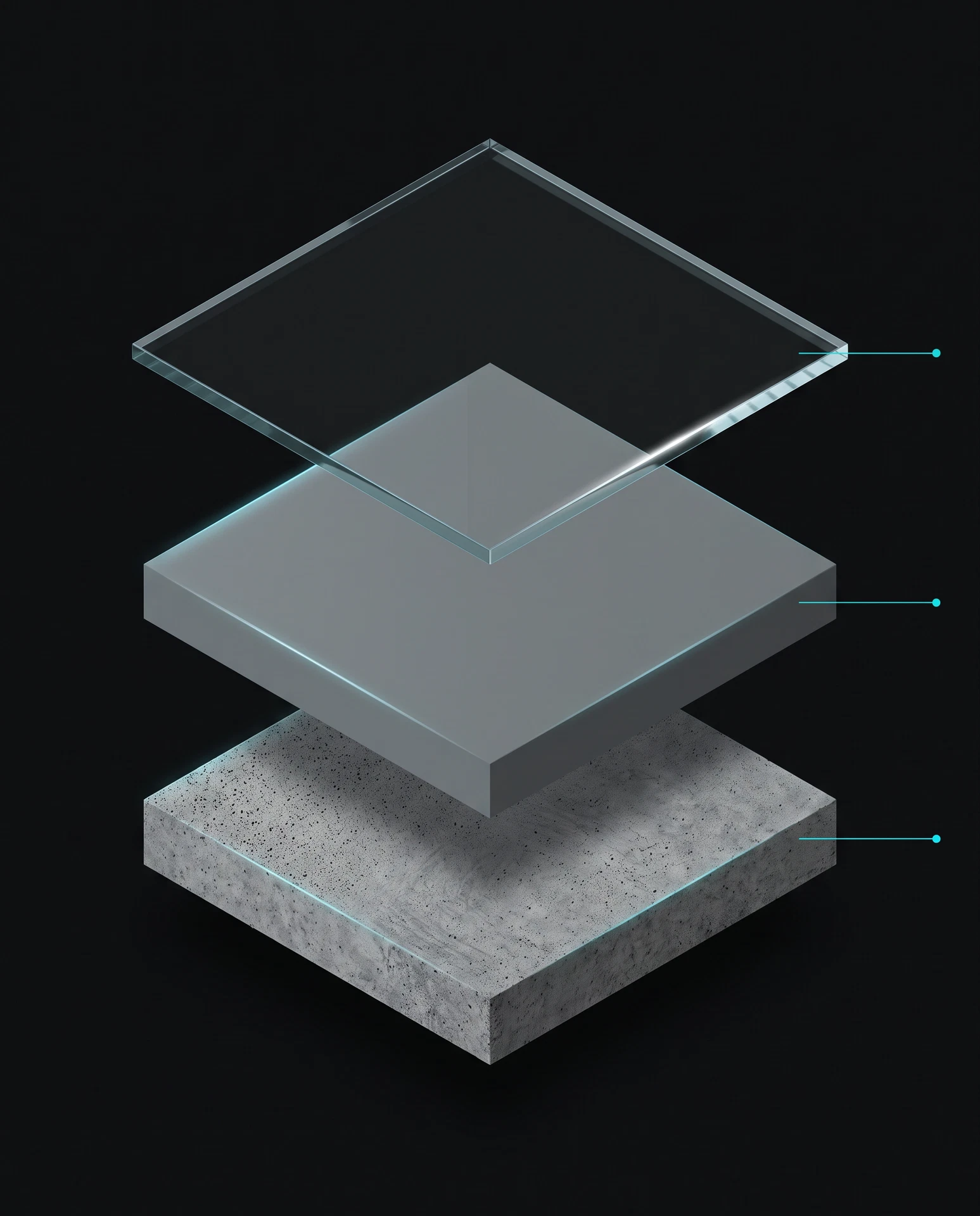
A service bay, parts area and reception zone can have different visual and operational needs. Treating them as one generic floor can hide important preparation and staging questions.
A site review should identify where use changes and whether a single system or separate approaches need consideration.
Automotive spaces may have residues, previous coatings, repairs and traffic marks that need direct assessment. The work starts with the concrete condition rather than a preselected visible finish.
That assessment also creates a more useful schedule conversation around vehicles, lifts, storage and access during the project.
Common questions
Request a free quote
Explore next
Return to the operational-use hub before narrowing the project brief.
Compare the live flake, quartz, metallic, solid-colour and polyaspartic system paths.
Understand finish-layer questions within a complete resinous system.
Use published flooring resources to prepare for a project conversation.